


A Complete Guide to Planting Dwarf Conifers in P9 and 2-Litre Pots
🌲 A Complete Guide to Planting Dwarf Conifers in P9 and 2-Litre Pots
Range of Dwarf Conifer Available here
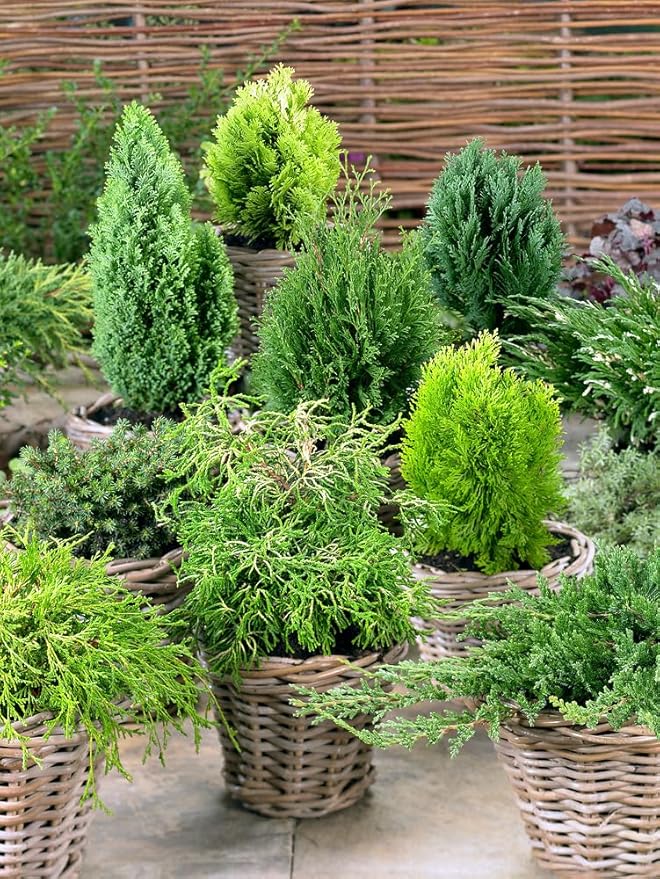
Dwarf conifers are a fantastic addition to almost any garden. With their attractive foliage, compact growth and year-round greenery, they are perfect for rockeries, garden borders, gravel gardens, containers and decorative planting schemes.
At Meredith Nurseries, we offer a range of dwarf conifers in different pot sizes, including P9 pots and 2-litre pots. Whether you’re planting a small conifer to add interest to a rockery or creating a colourful evergreen border, knowing how to plant your conifers correctly will help them establish and thrive.
In this guide, we’ll explain everything you need to know about planting dwarf conifers, from preparing the ground to watering and caring for your new plants.
🌱 What Is the Difference Between P9 and 2-Litre Dwarf Conifers?
Before planting, it’s useful to understand the difference between the two pot sizes.
🌿 Dwarf Conifers in P9 Pots
P9 pots are typically around 9cm wide and are commonly used for young plants.
P9 dwarf conifers are ideal for gardeners who want to buy several plants to fill a border, create a rockery or develop a decorative planting scheme over time.
Benefits of P9 dwarf conifers include:
- 🌱 An economical way to buy multiple plants.
- 🌲 Ideal for smaller planting spaces and rockeries.
- 🪴 Suitable for growing in appropriate garden containers.
- 🌿 A great choice for creating mixed dwarf conifer displays.
- 💚 Allow you to watch your plants establish and grow over time.
Because P9 plants are generally supplied in smaller pots, they need careful watering while their roots establish in the garden.
🌲 Dwarf Conifers in 2-Litre Pots
Dwarf conifers supplied in 2-litre pots have been grown in a container holding approximately two litres of compost.
Depending on the variety, they may have a more developed root system and more top growth than smaller plants.
Benefits of 2-litre dwarf conifers include:
- 🌿 A versatile size for garden borders and rockeries.
- 🌲 Suitable for adding evergreen structure to your garden.
- 🏡 Ideal for many decorative garden planting schemes.
- 🌱 A useful option when you want a more established starting point.
- 💚 Available in varieties with different foliage colours, shapes and growth habits.
Remember that pot size does not guarantee a particular plant height. Always check the individual product description for information about the variety you’re buying.
🛠️ What You’ll Need Before Planting
Before you start, gather a few simple gardening essentials.
- 🪴 Your new P9 or 2-litre dwarf conifers.
- 🧤 Gardening gloves.
- A garden trowel or spade.
- 💧 A watering can or garden hose.
- 🌱 Suitable garden soil.
- 🍂 Organic matter, if needed to improve the soil.
- 🌿 Mulch, if required, to help retain moisture and suppress weeds.
Most dwarf conifers are relatively easy to plant once you have selected a suitable location and prepared the soil.
☀️ Step 1: Choose the Right Planting Location
Choosing the correct position is one of the most important steps when planting dwarf conifers.
Many dwarf conifers grow well in a sunny or partially shaded position, but their requirements vary depending on the variety.
Before planting, consider the following:
- ☀️ Sunlight: Check whether your particular conifer prefers full sun or partial shade.
- 🌱 Soil: Most dwarf conifers prefer well-drained soil.
- 💧 Drainage: Avoid areas where water regularly collects or the soil remains waterlogged.
- 🌲 Space: Check the plant’s expected mature height and spread.
- 🏡 Appearance: Consider how the foliage colour will complement nearby plants, stones, gravel or garden features.
Some dwarf conifers have golden foliage, while others feature green, blue or silvery tones. Combining different colours and shapes can create an attractive display throughout the year.
Step 2: Prepare the Ground
Preparing the soil gives your dwarf conifers a good start.
First, remove weeds, grass and stones from the planting area. Loosen the soil with a spade or trowel so the roots can grow into the surrounding ground.
If your soil is heavy or clay-based, pay particular attention to drainage. Improving the soil structure and choosing a suitable planting position can help reduce the risk of waterlogging.
Avoid adding large quantities of fertiliser or rich compost directly into the planting hole. Dwarf conifers generally benefit from suitable soil conditions and careful watering rather than excessive feeding.
🌿 Step 3: How to Plant Dwarf Conifers in P9 Pots
P9 dwarf conifers are smaller plants, so handle them carefully when removing them from their pots.
Follow these simple steps:
1. Water the plant
Water the P9 pot before planting if the compost is dry. This helps prevent the small root ball from drying out during the planting process.
2. Dig a suitable hole
Dig a hole slightly wider than the root ball and approximately the same depth.
3. Remove the pot carefully
Gently squeeze the sides of the pot and slide the plant out while supporting the compost and roots. Avoid pulling the plant out by its stem or foliage.
4. Position the conifer
Place the plant in the hole, keeping the top of the root ball level with the surrounding soil.
Avoid burying the stem or lower foliage deeper than it was growing in the pot.
5. Backfill the hole
Return the soil around the roots and gently firm it with your hands. Do not compact the soil excessively.
6. Water thoroughly
Water the plant after planting to settle the soil around the roots.
7. Add mulch if appropriate
A light layer of suitable organic mulch or bark can help retain moisture and suppress weeds. Keep mulch away from the plant’s stem.
🌱 How Far Apart Should P9 Dwarf Conifers Be Planted?
Spacing depends on the variety and its expected mature width.
For a compact dwarf conifer, plants may be positioned relatively close together, while wider-growing varieties need more room.
Always check the mature spread of the variety before deciding how many plants you need. Planting too closely can lead to overcrowding as the conifers grow.
🌲 Step 4: How to Plant Dwarf Conifers in 2-Litre Pots
Planting a dwarf conifer supplied in a 2-litre pot follows much the same process as planting a P9 plant.
However, the root ball may be larger, so you’ll generally need a wider planting hole.
1. Water before planting
If the compost is dry, water the plant thoroughly before removing it from its pot.
2. Dig the planting hole
Make the hole slightly wider than the root ball and no deeper than its height.
3. Remove the plant carefully
Support the root ball as you remove the container. If the roots are circling tightly around the outside, gently tease the outer roots where appropriate.
4. Check the planting depth
Position the root ball so that its upper surface is level with the surrounding soil.
5. Backfill with soil
Fill around the roots with the excavated soil and gently firm it into place.
6. Water well
Water thoroughly after planting, making sure moisture reaches the root ball and surrounding soil.
7. Check the plant regularly
During the first growing season, check the soil moisture regularly, especially during warm or dry weather.
A 2-litre conifer may be more established than a P9 plant, but it still needs care while its roots spread into the surrounding soil.
🪴 Can You Grow P9 and 2-Litre Dwarf Conifers in Pots?
Yes! Many dwarf conifers can be grown successfully in containers, provided you choose a suitable variety and pot.
Container growing is ideal for patios, balconies, gravel gardens and smaller outdoor spaces.
Choosing a Container
When transferring your conifer into a larger pot:
- 🪴 Choose a container with drainage holes.
- 🌱 Use a suitable free-draining potting medium.
- 💧 Make sure excess water can escape.
- 🌲 Select a pot that gives the roots room to develop.
- ☀️ Position the container according to the plant’s light requirements.
A P9 conifer can be moved into a larger container as it grows. A 2-litre conifer can also be planted into a decorative pot, provided the container is suitable for the variety and has good drainage.
Avoid leaving containers standing in water for prolonged periods, as many conifers are vulnerable to root problems in waterlogged compost.
💧 Step 5: Watering Your Newly Planted Dwarf Conifers
Watering is particularly important during the first few months after planting.
Newly planted conifers have to develop roots in the surrounding soil before they can access moisture over a wider area.
Watering P9 Dwarf Conifers
Smaller root balls can dry out relatively quickly, especially during warm, sunny or windy weather.
Check the soil around your P9 conifers regularly and water when necessary.
Watering 2-Litre Dwarf Conifers
Although 2-litre plants may have larger root balls, they still need regular attention while establishing.
Water thoroughly when the soil begins to dry, rather than giving the plant frequent, shallow splashes of water.
Important Watering Tips
- 💧 Check soil moisture before watering.
- 🌧️ Take rainfall into account.
- ☀️ Water more frequently during dry weather when necessary.
- 🌱 Make sure the soil drains freely.
- ❄️ Avoid keeping the roots constantly wet during cold, wet weather.
The aim is to keep the root ball from drying out while avoiding waterlogged conditions.
🌿 Step 6: Feeding and Mulching Dwarf Conifers
Dwarf conifers planted in reasonably fertile, well-drained soil often need little additional feeding.
Avoid applying excessive fertiliser, as this can encourage unsuitable growth or damage roots if products are used incorrectly.
A light mulch can be useful around plants growing in garden borders. Bark mulch, for example, can help suppress weeds and reduce moisture loss.
When mulching:
- Keep the mulch away from the stem.
- Avoid piling it against the foliage.
- Do not cover the top of the root ball excessively.
- Check soil moisture beneath the mulch before watering.
Conifers growing in containers may need occasional feeding with a suitable fertiliser according to the product instructions.
✂️ Step 7: Do Dwarf Conifers Need Pruning?
One of the benefits of dwarf conifers is that many naturally maintain a compact shape.
However, growth habits vary, so it’s important to understand the requirements of your particular variety.
Some dwarf conifers need very little pruning, while others may benefit from occasional light trimming.
Dwarf Conifer Pruning Tips
- ✂️ Remove dead or damaged growth when necessary.
- 🌲 Check the variety’s recommended pruning requirements.
- 🌿 Avoid cutting indiscriminately into old, bare wood, as many conifers do not regenerate well from it.
- 🪴 Allow naturally compact varieties to maintain their shape where possible.
If you’re unsure whether your conifer can be trimmed, check its individual care requirements before pruning.
🍂 Common Mistakes to Avoid When Planting Dwarf Conifers
Dwarf conifers are generally straightforward to grow, but a few common mistakes can affect their establishment.
❌ Planting Too Deeply
Keep the top of the root ball level with the surrounding soil. Planting too deeply can cause problems around the stem and roots.
❌ Choosing Poorly Drained Soil
Many dwarf conifers dislike waterlogged conditions. Check the drainage before planting.
❌ Overwatering
Conifers need moisture while establishing, but constantly saturated soil can damage roots.
❌ Allowing Young Plants to Dry Out
P9 plants have relatively small root balls, so regular moisture checks are particularly important.
❌ Planting Too Closely
Check the expected mature spread of each variety before planting several conifers together.
❌ Assuming All Dwarf Conifers Stay the Same Size
The term “dwarf” covers a wide range of growth habits. Some varieties remain very compact, while others eventually become much larger.
🌲 Why Choose Dwarf Conifers for Your Garden?
Dwarf conifers are popular because they offer year-round interest without relying on seasonal flowers.
Depending on the variety, they can provide:
- 💚 Evergreen colour throughout the year.
- 🌿 Attractive green, gold, blue or silvery foliage.
- 🏡 Structure for borders and rockeries.
- 🪴 Decorative planting for patios and containers.
- 🌱 A range of shapes, from rounded mounds to upright forms.
- 🌳 Compact options for smaller gardens.
They can also be combined with heathers, dwarf shrubs, ornamental grasses and other suitable plants to create a varied garden display.
When combining plants, check that they have compatible requirements for sunlight, soil and moisture.
🛒 Shop Dwarf Conifers at Meredith Nurseries
Whether you’re looking for dwarf conifers in P9 pots or more established plants supplied in 2-litre pots, Meredith Nurseries can help you find plants for your garden.
Dwarf conifers are a versatile choice for rockeries, garden borders, gravel gardens, patios and decorative containers. With the right planting position and a little aftercare, they can provide attractive foliage and structure for years to come.
Before ordering, check each product listing for the supplied pot size, plant description, growth habit and care requirements.
🌿 Meredith Nurseries – helping you bring your garden to life, one plant at a time!